Host a single three-hour workshop: one instructor, one craft, ten friends around covered tables. Succeed when every person leaves holding something they made and your instructor is grinning.
Bonus challenge: Before anyone leaves, go round the room and let each person call out the craft they'd most like to try next. The loudest answer becomes session two.
Accept this questSaves it to your list, no account needed.
Time
3-4 hours per workshop session, 8-12 hours setup
Cost
Paid activity
Starter gear from $215
A room usually rents for $25–50 an hour, and an instructor charges about $100–150 for three hours. Ten to twelve seats at $30–50 each generally covers both. Tables, plastic table covering and cleanup gear run around $190–200 once, and you can borrow most of it the first time.
friends, a group · Adults, and teens 14+ with an adult present
Level
Intermediate
Where
Indoor
Season
Year-round
About This Quest
Know someone who makes beautiful things and never gets to show anyone how? Invite them to teach. You find a bright room, round up ten friends, cover the tables, and hand the afternoon to your maker. Three hours later everybody goes home holding something they made themselves.
There's a potter, a weaver or a lino-printer in your circle right now who would love an audience. All they need is a room with good light, a sink, and ten people who said yes. That's you.
Your job is the easy half: tables covered, tools laid out, water pitchers full. You don't need to know the craft at all. Once the instructor starts talking, you step back and keep things running. Pick the maker, pick a Saturday, and host one afternoon that ends with a tableful of finished work.
Why This Quest Matters
Crafting alone at a kitchen table is fine. Crafting in a room of ten people, all stuck on the same tricky step, is something else entirely. You get to be the reason that room exists. And the quiet maker who never had students suddenly has a dozen, all leaning in.
What You'll Experience
Hand over the room: Watch your instructor light up teaching a craft they love to a full table.
Set a perfect table: Lay out stations so tidy that nobody has to ask where anything is.
Fill ten seats: Text your friends and see how fast the room books out.
Send everyone home making: Watch ten people leave holding something they built with their hands.
What You'll Need
Top gear to make this quest great.
Pull it off
Heavy-duty adjustable folding worktable
Stable tables that take carving pressure and wet clay without wobbling or warping.
As an Amazon Associate I earn from qualifying purchases. Prices may change.
Before You Begin
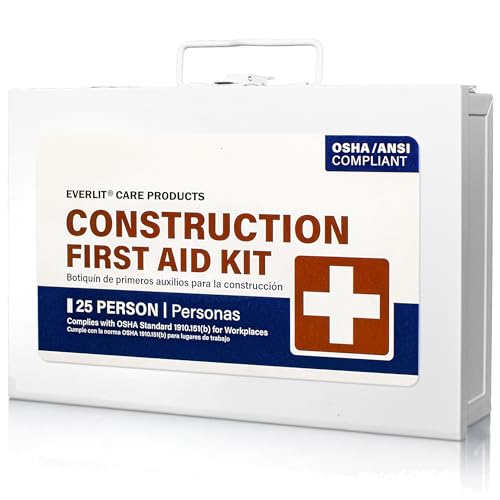
You are the stage manager, not the star, and that's the good job. You need a room of at least 200 square feet with reachable outlets, a sink and daylight; sturdy adjustable worktables that won't wobble under carving; a roll of plastic table covering; and a first aid kit you hang where everyone can see it. Handy extras: a rolling tool cart so the instructor grabs everything in one trip, clear-fronted bins with color-coded tape for wet and dry supplies, and registration software if you'd rather not chase payments yourself. Ask the venue in writing what they allow before you book, since flame, kilns and solvents are commonly restricted.
Safety Tips
A good quest stays a good story. These are general notes; your gear's manual, the venue's rules and local law come first.
Get the venue's written okay for open flame, kilns or solvents before you book, and keep an adult present with any 14 to 17 year old for the whole session.
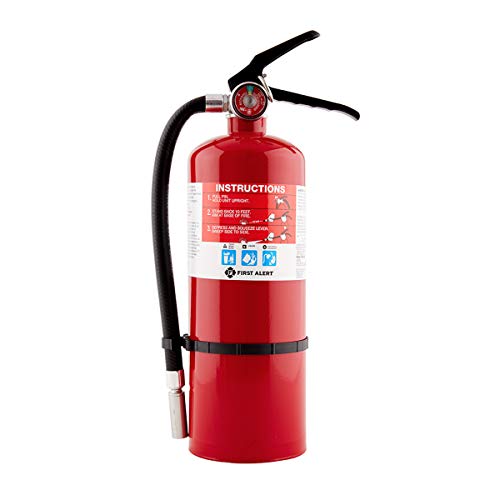
If the craft uses a flame, put burners on a non-combustible surface with three feet of clearance, keep water and a fire extinguisher within arm's reach, follow the fuel instructions exactly, never refuel a hot burner, and let everything cool fully before packing up.
For dyes, pigments and solvents: gloves on, windows open or ventilation running, every container labeled, and nothing non-food-grade near the snack table.
Ask your instructor to say the tool rules aloud before anyone starts: cut away from your body, work on a stable braced surface, stop the moment a blade feels dull.
Use low-voltage plug-in tools only unless a qualified person is running them, test the outlets under real load before people arrive, unplug anything before changing a blade or head, and keep glue guns and heat guns away from water stations and wet clay.
Hang the first aid kit in plain sight, not in a cupboard, and brief your instructor on where it is.
Step-by-Step Guide
1
Ask Your Maker
30 min
Start with the person, not the plan. Think of someone whose work you admire: the friend who prints cards, the neighbor at the loom. Ask what they'd most love to teach for three hours. Offer $100–150 for the session and ask for their materials list two weeks ahead. If their craft uses heat or chemicals, ask about their experience with it.
💡 Pro Tips:
• If nobody springs to mind, ask at an art supply store or email the community college art department. Both are full of people hoping for exactly this.
2
Find The Room
60 min
Go look at a space with a tape measure. You want 200 square feet or more, outlets you can reach, a sink and real daylight. Measure the doorways, because a six-foot folding table has to fit through them. Ask the venue in writing about flame, kilns and solvents. Then text ten friends with the date and the craft.
💡 Pro Tips:
• Plug a kettle into each outlet while you're standing there. Finding a weak circuit now beats finding it with ten people waiting.
3
Build The Room
90 min
Arrive 90 minutes early and turn an empty space into a workshop. Cover the tables, set out one station per person with its tools and a printed card of the steps, park the tool cart within the instructor's reach, and hang the first aid kit where everyone can see it. Test every tool and outlet under real load, then put the kettle on.
💡 Pro Tips:
• Sit in each chair for a second as a participant would. You'll instantly spot the seat with no elbow room or no outlet.
4
Hand Over The Room
180 min
Your instructor starts, and you step back. For the next three hours you refill water, restock supplies and unjam whatever jams. Walk the room every twenty minutes so you catch the person too polite to raise a hand. Resist teaching, however tempting. Before anyone picks up a sharp or heated tool, check your instructor has said the safety rules out loud.
💡 Pro Tips:
• Keep a towel and a roll of tape in your pocket. You'll want both without leaving the room to hunt for them.
5
Celebrate The Table
40 min
Line everything people made down the middle of the table and look at it together. Ten pieces, all from one afternoon, all different. Clear up alongside your instructor rather than after them, then sit for ten minutes and ask what ran long and what ran short. Finish by letting the room shout out which craft should come next.
💡 Pro Tips:
• If someone from today asks whether they could teach a session, say yes and ask to see a sample of their work plus a rough plan for the three hours.
You gave a maker their first room full of students and sent ten friends home holding something new. Snap a photo of that table and book the next craft while everyone's still keen.
What if everyone you invited showed up ready to teach one thing they're good at? Gather a handful of friends and neighbors, set up six small teaching tables, and rotate through three or four 25-minute lessons. You'll leave knowing how to do something you couldn't do that morning.