
Master Speed Reading in One Weekend
Your eyes are processing words slower than your brain can handle them—time to fix that.
About This Quest
Train your brain to process text faster using proven techniques. Go from 200 to 600+ words per minute in two days with structured practice sessions.
Most people read at 200-250 words per minute, the same speed they learned in elementary school. Your brain can process information three times faster, but your eyes never got the training. This weekend sprint rewires your reading habits using timed exercises, peripheral vision expansion, and subvocalization elimination. By Sunday evening, you'll hit 600+ WPM on familiar material while maintaining 70%+ comprehension. The training works in three phases: Saturday morning starts with baseline testing and bad habit identification—most people discover they're re-reading lines or silently pronouncing every word. Saturday afternoon introduces pacing tools and chunking exercises that force your eyes to move faster. Sunday focuses on comprehension retention through strategic skimming patterns and recall drills. The physical sensation is strange at first—your eyes will feel like they're skipping across the page—but by hour six, faster reading becomes automatic. You'll need variety in your reading material: easy articles for speed work, dense chapters for comprehension testing, and something you'd normally read for baseline comparison. The breakthrough moment usually hits on Day Two when you realize you've absorbed a full page in under thirty seconds and can summarize it accurately. That's when you know the technique has clicked.
Why This Quest Matters
By Sunday evening, you'll read three times faster than you did Friday—600+ words per minute while retaining what matters. The physical sensation of your eyes skipping across a page while your brain absorbs full paragraphs is genuinely strange at first, then becomes addictive. You'll finish books you've been meaning to read, clear research faster, and never feel behind on reading again.
What You'll Experience
- Your actual reading speed baseline and the specific habits slowing you down
- How to silence the internal voice that pronounces every word
- Peripheral vision techniques that triple your eye span per fixation
- The difference between reading speed and comprehension speed
- Which material deserves slow reading and which you can sprint through
What You'll Need
Top gear to make this quest great.
Pull it off
Wide-Margin Practice Book Set
Wide columns are critical for learning to read center-line; standard paperbacks are too narrow for this technique
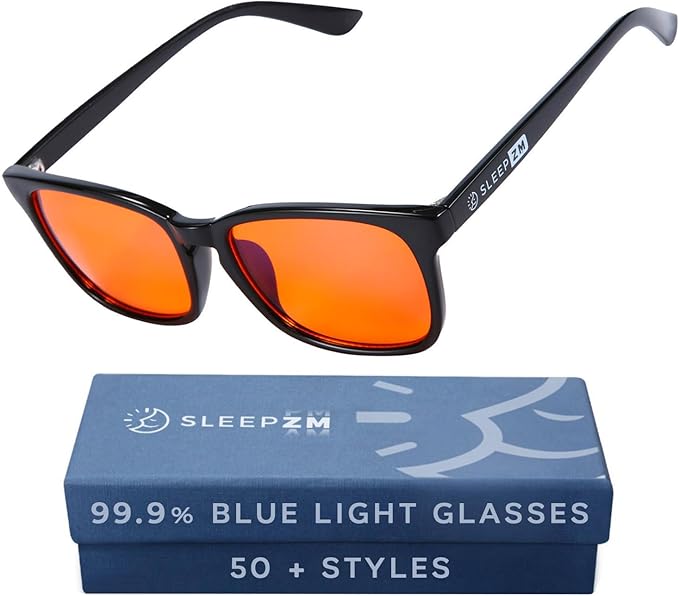
Eight hours of intensive reading causes serious eye strain; these cut fatigue by 40-50% and prevent headaches during long practice sessions
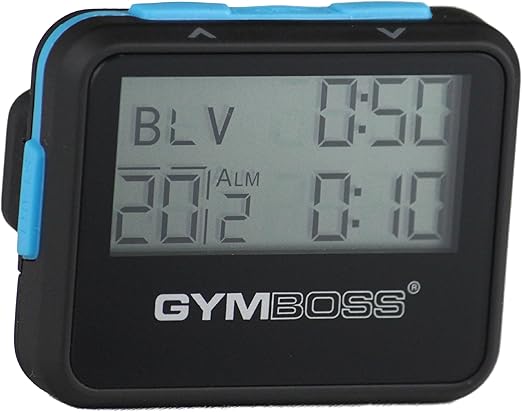
Keeps you honest during timed drills and prevents the 'just one more page' trap that kills comprehension; phone timers create distraction
As an Amazon Associate I earn from qualifying purchases. Prices may change.
Step-by-Step Guide
Measure your baseline reading speed
Read a magazine article for exactly 3 minutes at your normal pace, count the total words, and divide by 3 to get your WPM. Write this number down—most people land between 200-280 WPM. This is your starting point, not your limit.
💡 Pro Tips:
- • Choose an article on a familiar topic to ensure your baseline reflects reading speed, not comprehension struggle
Break the subvocalization habit
Place your tongue on the roof of your mouth or hum quietly while reading to physically stop yourself from silently pronouncing each word. Read news articles this way for 20 minutes. It feels wrong at first—like you're not really reading—but your comprehension stays intact.
💡 Pro Tips:
- • If humming distracts you, try chewing gum instead to occupy your mouth
Expand your peripheral vision range
Draw a vertical line down the center of a book page and focus only on that line while reading, letting your peripheral vision catch words on both sides. Start with children's books that have wide margins and large text, then graduate to normal pages over three 30-minute sessions.
💡 Pro Tips:
- • Your eyes should move straight down the center line, not zigzag back and forth
Force speed with a physical pacer
Use your finger, a pen, or a pacer app to guide your eyes down the page at 1.5x your baseline speed—faster than feels comfortable. Your eyes will follow and your brain will adapt, even if comprehension drops to 50% initially. Do 15-minute sprints followed by 5-minute breaks.
💡 Pro Tips:
- • Move the pacer at a steady rhythm, never stopping or slowing down for 'hard' sentences
Train phrase-chunking recognition
Read groups of words as single visual units instead of processing each word individually. Mark phrase boundaries with slashes in practice texts ('The quick brown fox / jumped over / the lazy dog'), then gradually remove marks as the pattern becomes automatic. Practice on varied material: easy blogs at 800 WPM, dense textbooks at 400 WPM.
💡 Pro Tips:
- • After every 5-page sprint, close the book and write down three key points to verify you're not sacrificing comprehension for speed
Complete the Sunday benchmark test
Reread your Day One baseline article. You should finish in under 90 seconds with clear memory of the content. If you can't, spend another hour on pacing drills and retest until you hit the target.
💡 Pro Tips:
- • Film yourself reading to see if your eyes are still making unnecessary backward jumps
Gear Up for Your Quest
The gear that makes this quest work.
Pull it off

Wide-Margin Practice Book Set
Wide columns are critical for learning to read center-line; standard paperbacks are too narrow for this technique
+ complete the kit — 3 more

Adjustable Reading Pacer Software
EssentialPopularForces your eyes to keep pace with increasing speeds, prevents regression and re-reading
Desktop or mobile app that highlights text line-by-line at controlled speeds

Blue Light Blocking Glasses
RecommendedEight hours of intensive reading causes serious eye strain; these cut fatigue by 40-50% and prevent headaches during long practice sessions
Amber-tinted eyewear that reduces screen glare and eye fatigue
Get on Amazon · $49.99 — Blue Light Blocking Glassesdetails & deals →
Interval Timer with Audio Cues
RecommendedKeeps you honest during timed drills and prevents the 'just one more page' trap that kills comprehension; phone timers create distraction
Physical timer that beeps at preset intervals for sprint/rest cycles
Get on Amazon · $20.95 — Interval Timer with Audio Cuesdetails & deals →RELATED GEAR GUIDE
Gamify Your Life Kit: 6 Picks to Turn Days Into Quests
Field-tested picks · Personal Growth
As an Amazon Associate, IRL Sidequests earns from qualifying purchases at no extra cost to you.
Prices and availability are subject to change. The price shown at checkout on Amazon at the time of purchase will apply.
Editor's Picks
Hand-selected quests our team thinks you'll love

Random Side Quest Generator: Complete Guide to Spontaneous Adventures
Turn decision paralysis into roll-the-dice action.

Desk Reset Rituals for Screen Workers
Your screen blur isn't age—it's ritual deficit.

Build Your Domestic Confidence Toolkit
The difference between panicking when something breaks and calmly handling it yourself.