
Real-Life Side Quests Hub: Transform Everyday Life Into Adventures
Your Tuesday commute just became a photography mission. Your lunch break? Now a mini urban exploration quest.
About This Quest
Stop scrolling. Start living. Use this framework to inject adventure, creativity, and meaning into your everyday routines through structured real-world challenges.
You're standing in line at the coffee shop, phone in hand, about to doomscroll for the next eight minutes. What if those eight minutes could become a mini-quest instead? Real-life side quests transform mundane moments into engaging challenges using game design principles applied to your actual life. The framework works because it taps into the same reward systems that keep you playing video games, but the XP you earn translates to real skills, real connections, and real stories. This isn't about productivity hacks or self-optimization BS. It's about making life more textured. When you frame your dog walk as a 'neighborhood sound mapping quest' or turn your grocery trip into a 'find three ingredients you've never tried before' challenge, you're training your brain to spot opportunities for engagement everywhere. I've watched someone turn their smoke break into a daily cloud photography series that eventually became a gallery show. Another person used commute quests to learn conversational phrases in five languages by chatting with different shopkeepers each week. The system has three layers: Micro-quests (5-15 minutes, like 'find three different textures to photograph'), Daily quests (30-90 minutes, like 'sketch everyone you talk to today'), and Epic quests (ongoing projects, like 'eat at every ethnic restaurant within three miles'). Start with micros. Stack them into dailies. Let the epics emerge naturally when something hooks you. The key is specificity—'be more creative' fails, but 'take one photo using only reflections' succeeds because you know exactly when you've completed it.
Why This Quest Matters
You're training your brain to spot opportunities for engagement everywhere, transforming the same commute or lunch break into something textured and memorable. The XP you earn translates to real skills, real connections, and actual stories worth telling—like the person who turned smoke breaks into a cloud photography gallery show, or the commuter who learned conversational phrases in five languages by chatting with different shopkeepers.
What You'll Experience
- How to spot micro-adventures hidden in routine moments
- The game design principles that make challenges actually engaging
- A personal library of quests tailored to your schedule and city
- How to extract narrative and meaning from ordinary experiences
- The habit of completing small challenges consistently rather than planning perfect ones
What You'll Need
Top gear to make this quest great.
Pull it off
Habit Tracker with Quest-Specific Layout
Standard habit trackers aren't designed for quest variety—this gives you dedicated spaces for different quest types, completion dates, and earned rewards, making the gamification tangible
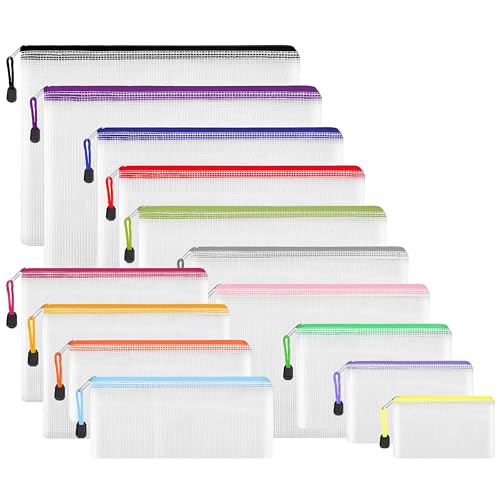
Physical quest artifacts create tangible progress. This keeps your collections organized and protected, turning abstract achievements into a growing physical archive
As an Amazon Associate I earn from qualifying purchases. Prices may change.
Step-by-Step Guide
Pick a micro-quest and trigger it
Choose one stupidly simple micro-quest from a template: count ten shades of green, compliment three strangers' shoes, photograph reflections, or identify five bird calls. Attach it to something you already do daily—morning coffee, lunch break, commute. The trigger removes the need to remember or decide.
💡 Pro Tips:
- • Start with observation quests (counting, noticing) before creative ones—they're easier to complete while distracted
- • Your trigger should happen at the same time each day so the quest becomes automatic
Complete and log with sensory detail
Finish your micro-quest and immediately capture one specific sensory detail using voice memo, a journal, or a habit tracker. Record the crunch of leaves, the exact shade of rust on that door, what the barista's laugh sounded like. This sensory anchor makes the quest stick in your memory.
💡 Pro Tips:
- • Voice memos work better than writing when you're on the move—transcribe later if you want
- • One vivid detail beats a full paragraph of generic description
Review weekly and kill the boring
Every Sunday, review your completed quests. Notice which ones energized you and which felt like chores. Double down on what worked. Let the boring ones die—you can't fail a side quest. After 20 micros (usually 2-3 weeks), design your first original quest using this template: 'In [timeframe], I will [specific action] resulting in [tangible output].'
Stack into themed daily challenges
Once per week, stack multiple micro-quests into one themed day. Make Monday 'Texture Monday'—everything involves noticing different textures. Try 'Yes Friday'—say yes to the first invitation you receive. The theme creates coherence and raises the difficulty naturally.
💡 Pro Tips:
- • Themed days work best on weekends or lighter workdays when you have more control over your schedule
Launch an epic quest after 50 micros
Start a 3-6 month epic quest: visit every park in your city, learn one recipe from each neighbor, collect stories from 100 strangers. Track progress visually using a map, photo grid, or physical collection. Share one completed quest per week publicly—not for accountability, but to practice extracting narrative from ordinary moments.
💡 Pro Tips:
- • Epic quests should require leaving your house and interacting with your city—they're about building a relationship with place
- • When motivation drops, shrink the quest. Five minutes beats zero. Sloppy completion beats perfect procrastination.
Build your personal quest library
Save every successful quest in categories: Solo/Social, Indoor/Outdoor, Free/Budget, 5-min/1-hour. When you're stuck for ideas, you've got a menu. Eventually your entire day becomes a series of optional quests you're actually excited to attempt.
Gear Up for Your Quest
The gear that makes this quest work.
Pull it off

Habit Tracker with Quest-Specific Layout
Standard habit trackers aren't designed for quest variety—this gives you dedicated spaces for different quest types, completion dates, and earned rewards, making the gamification tangible
+ complete the kit — 3 more

Compact Quest Collection Pouch
RecommendedPhysical quest artifacts create tangible progress. This keeps your collections organized and protected, turning abstract achievements into a growing physical archive
Small weatherproof pouch with multiple pockets for storing quest evidence—ticket stubs, pressed flowers, found objects, quick sketches
Get on Amazon · $9.99 — Compact Quest Collection Pouchdetails & deals →
Habitica Premium (Quest-Based Habit App)
OptionalThe free version works fine, but premium unlocks quest creation tools and party challenges that add social accountability to your side quests
Gamified habit tracking app that turns your real-life tasks into RPG quests with character progression, equipment, and guild challenges
Geocaching Premium Membership
OptionalGeocaching is essentially pre-made side quests scattered worldwide—premium access gives you thousands of ready-made micro-adventures when you need inspiration
Unlocks advanced geocaches, offline maps, and challenge caches that integrate perfectly with the side quest framework
RELATED GEAR GUIDE
Gamify Your Life Kit: 6 Picks to Turn Days Into Quests
Field-tested picks · Personal Growth
As an Amazon Associate, IRL Sidequests earns from qualifying purchases at no extra cost to you.
Prices and availability are subject to change. The price shown at checkout on Amazon at the time of purchase will apply.
Editor's Picks
Hand-selected quests our team thinks you'll love

Random Side Quest Generator: Complete Guide to Spontaneous Adventures
Turn decision paralysis into roll-the-dice action.

Desk Reset Rituals for Screen Workers
Your screen blur isn't age—it's ritual deficit.

Build Your Domestic Confidence Toolkit
The difference between panicking when something breaks and calmly handling it yourself.