Transform mundane routines into a reward-driven game using analog trackers, achievement systems, and behavioral psychology techniques.
Gamification isn't about downloading another productivity app that you'll ignore in three days. It's about rewiring how your brain perceives boring tasks by adding the same dopamine mechanics that keep you grinding in video games. You're building a personal achievement system where folding laundry becomes a repeatable quest, hitting the gym unlocks skill trees, and that networking event transforms into a social encounter with dialogue options.
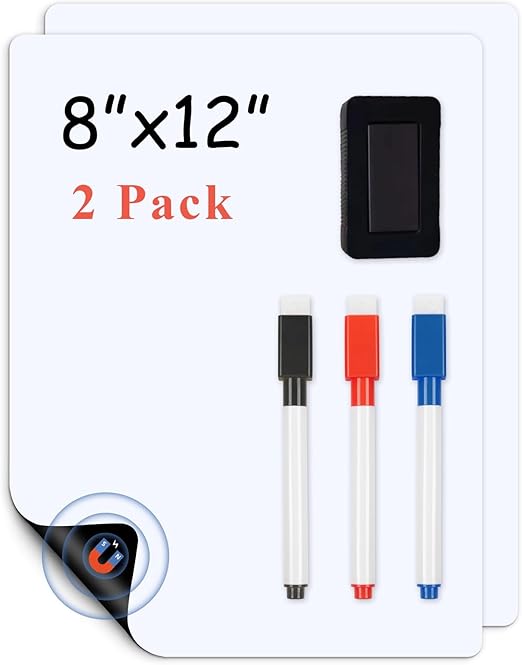
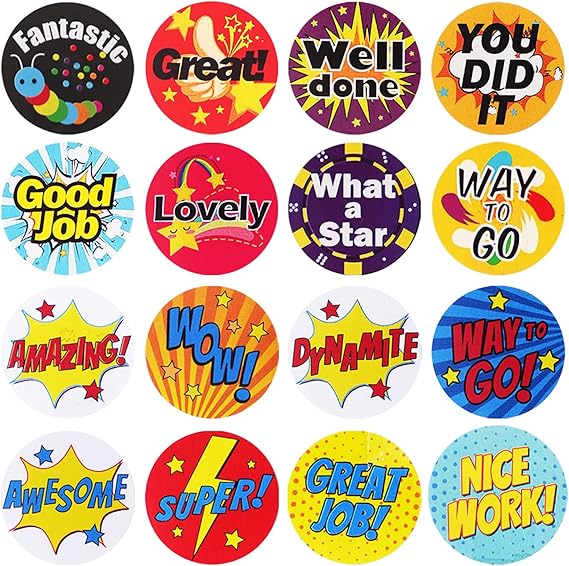
This quest walks you through designing your own analog game system using physical trackers, custom reward tiers, and psychological triggers that video games have perfected. You'll create XP values for daily activities, establish achievement badges for milestone behaviors, and build streak mechanics that make breaking the chain feel like actual loss aversion. The key is making it tactile—checkboxes you physically mark, coins you move across a board, stickers you place on a chart. If you're stuck on what to put on the board, browse more real-life side quest ideas to stock your quest log before you start, and grab the gear for gamifying your life if you'd rather not improvise your tokens and trackers.
The setup takes one focused afternoon, but the payoff compounds daily. You'll notice yourself choosing the stairs because it's worth 5 XP, or finally cleaning out that junk drawer because it unlocks the 'Organized Chaos' badge. The physical act of tracking creates commitment, and the visible progress board becomes a third-person view of your character stats improving in real time.
Why This Quest Matters
You'll stop white-knuckling through boring tasks and start feeling the same pull toward your laundry pile that makes you chase one more achievement in your favorite game. The physical act of moving a marker across your XP tracker or slapping a sticker on your board creates a dopamine hit that compounds daily. Within two weeks, you'll catch yourself choosing the stairs purely because it's worth 5 XP, and that shift from obligation to optional-but-rewarding is the entire point.