
Real Life Quest Systems: Gamify Your Life Beyond Screens
Your life already has side quests—you're just not tracking them yet.
About This Quest
Design your own real-world achievement system using analog tracking, habit chains, and tangible reward structures that work without apps or screens.
Video games feel rewarding because progress is visible. You see the XP bar fill, hear the level-up chime, watch skills unlock. Real life doesn't have that feedback loop built in—until you build it yourself. This isn't about downloading another productivity app that you'll abandon in three weeks. It's about creating a physical, tangible system that tracks what you actually accomplish: the morning runs, the books finished, the conversations that matter, the skills you're grinding. The method is deliberately analog. A wall-mounted grid where you mark off completed tasks with colored stickers. A physical token jar where each achievement earns a coin you can cash in for self-defined rewards. Index cards representing quests you're actively working on, pinned to a corkboard and moved through stages like a kanban system. The tactile act of updating your progress hits different than tapping a checkbox on a phone screen. You see your month at a glance. Friends who visit your space see it too, and suddenly you're accountable. This quest walks you through designing your personal framework: defining what counts as XP (the small daily wins), what qualifies as a boss battle (the scary important stuff), and what rewards actually motivate you. You'll build the physical infrastructure—the boards, charts, token systems—and establish the rules that keep it sustainable. By the end, you'll have a working system that makes invisible progress visible, and turns vague intentions into concrete achievements you can literally see stacking up on your wall.
Why This Quest Matters
You already accomplish things every day, but they evaporate without trace. This system makes invisible progress visible—you'll see your month stacking up in colored stickers, watch tokens accumulate toward rewards you actually want, and physically move quest cards to the Done column. When your progress lives on a wall instead of buried in an app, it becomes real in a way that changes how you see yourself.
What You'll Experience
- How to design a personal XP and reward system that actually motivates you
- The difference between tracking tasks and tracking meaningful progress across life domains
- How to make accountability tangible through physical tracking systems
- Why analog progress tracking creates stronger motivation than digital checkboxes
- How to balance daily grinding with rest days and long-term boss battles
What You'll Need
Top gear to make this quest great.
Pull it off
Modular Corkboard Display System (24×36 inch, 3-pack)
Creates dedicated physical space for your quest cards, progress tracking, and visual achievement display. The modular setup lets you expand as your system grows.
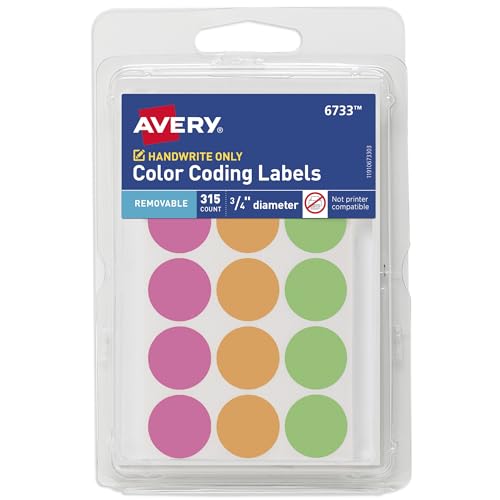
Physical tokens for daily XP tracking across categories. The tactile act of placing a sticker on your calendar grid provides immediate satisfaction and creates a visual heat map of your efforts.
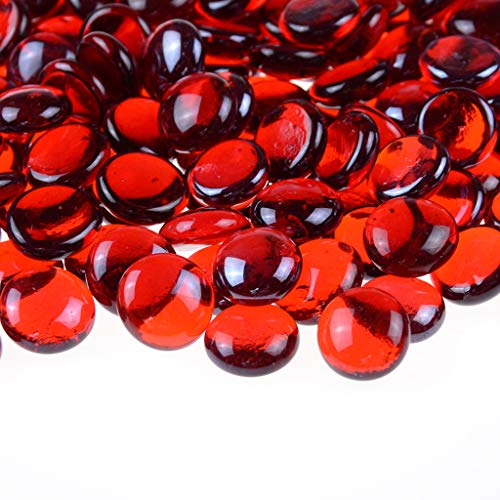
Tangible currency for your reward economy. Each gem represents earned XP. The weight and clink of adding gems to a jar triggers the same dopamine response as video game loot drops.
As an Amazon Associate I earn from qualifying purchases. Prices may change.
Step-by-Step Guide
Map your life domains and XP values
Break your life into 4-6 categories like physical, creative, social, skill-building, maintenance, and exploration. Write each on a different colored index card. Then assign point values to common activities—30-minute workout = 10 XP, finished book = 50 XP, meaningful conversation = 15 XP, cooking from scratch = 20 XP. These become your scoring system.
💡 Pro Tips:
- • Pick domains that reflect what you actually want to improve, not what sounds impressive
- • Start with conservative XP values; you'll adjust them at your monthly review
Build your physical tracking infrastructure
Create a month-view calendar grid on poster board with space for 4-6 small colored stickers per day—each color matching one of your domains. Set up a clear jar with glass gems or poker chips nearby—every 100 XP earns one token. Mount a corkboard with three columns labeled To Do, In Progress, and Done. Write your current active quests on 4×6 cards and pin them in the appropriate column.
💡 Pro Tips:
- • Put everything in a high-traffic area where you'll see it multiple times daily
- • Buy extra stickers and tokens now so you never run out mid-month
Define rewards and boss battles
Decide what your tokens can buy: 5 tokens = guilt-free afternoon off, 10 = that book you've been eyeing, 20 = a day trip somewhere new. Then identify your boss battles—the big scary goals like running a marathon or learning conversational Spanish. Give each boss battle its own card with milestone markers and a memorable completion reward (physical trophy, celebration meal, date marked in permanent ink).
💡 Pro Tips:
- • Make rewards things you'd normally deny yourself out of guilt
- • Boss battles should take weeks or months, not days
Establish your daily check-in ritual
Pick a consistent time each day—right after dinner works well—and spend 5 minutes reviewing what you accomplished. Place stickers on your calendar grid, add gems to your token jar, move quest cards between columns. Mark one day per week where you earn XP just for intentionally doing nothing. This is your save point, and rest is a game mechanic.
💡 Pro Tips:
- • Set a phone alarm for your check-in time until it becomes automatic
Create accountability and iterate monthly
Every Sunday, photograph your tracking board and send it to one person who'll ask how your quests are going. At month's end, photograph your completed grid, archive finished quest cards in a folder, and set up a fresh board. Write down what XP values need adjusting, what worked, and what new quests you're starting. The system evolves with you.
💡 Pro Tips:
- • Choose an accountability partner who'll actually follow up, not just like your photo
- • Keep your archived grids—looking back at six months of completed grids feels incredible
Gear Up for Your Quest
The gear that makes this quest work.
Pull it off

Modular Corkboard Display System (24×36 inch, 3-pack)
Creates dedicated physical space for your quest cards, progress tracking, and visual achievement display. The modular setup lets you expand as your system grows.
+ complete the kit — 3 more

Physical tokens for daily XP tracking across categories. The tactile act of placing a sticker on your calendar grid provides immediate satisfaction and creates a visual heat map of your efforts.
Small circular stickers in 8-10 colors
Get on Amazon · $1.49 — Multi-color Dot Stickers Variety Pack (1,440 count)details & deals →
Tangible currency for your reward economy. Each gem represents earned XP. The weight and clink of adding gems to a jar triggers the same dopamine response as video game loot drops.
Decorative glass stones in multiple colors
Get on Amazon · $9.49 — Glass Gem Token Collection (2 lbs, mixed colors)details & deals →
Stores completed quest cards, monthly calendar snapshots, and achievement records. Creates a physical archive of your progress history you can flip through during motivation slumps.
Accordion-style document organizer with labeled dividers
Get on Amazon · $9.99 — Archival Expansion File (A-Z tabs, 21 pockets)details & deals →RELATED GEAR GUIDE
Gamify Your Life Kit: 6 Picks to Turn Days Into Quests
Field-tested picks · Personal Growth
As an Amazon Associate, IRL Sidequests earns from qualifying purchases at no extra cost to you.
Prices and availability are subject to change. The price shown at checkout on Amazon at the time of purchase will apply.
Editor's Picks
Hand-selected quests our team thinks you'll love

Random Side Quest Generator: Complete Guide to Spontaneous Adventures
Turn decision paralysis into roll-the-dice action.

Desk Reset Rituals for Screen Workers
Your screen blur isn't age—it's ritual deficit.

Build Your Domestic Confidence Toolkit
The difference between panicking when something breaks and calmly handling it yourself.