
Urban Ecology Citizen Science
Your neighborhood park holds scientific secrets—and researchers need your eyes to uncover them.
About This Quest
Join a global network of citizen scientists documenting urban biodiversity. Use proven observation protocols to track wildlife, plants, and environmental changes in your city while contributing to real scientific research.
The sparrow you see pecking at sidewalk crumbs isn't just background noise—it's data. Urban ecology citizen science turns casual observations into genuine research contributions. I spent last spring documenting bumblebee species in a community garden plot, and my observations ended up in a pollinator decline study published by a state university. The satisfaction of seeing 'Data contributed by: [your username]' in an actual research paper hits different. Cities are living laboratories where wildlife adapts in real-time. Peregrine falcons nest on skyscraper ledges. Coyotes learn subway schedules. Native plants reclaim vacant lots. Scientists need consistent, widespread observations to understand these patterns, but they can't be everywhere. That's where you come in. With standardized protocols and modern apps, your smartphone becomes legitimate scientific equipment. The early morning is golden—between 6-8 AM you'll catch the most bird activity, and the light is perfect for plant photography before harsh midday sun washes everything out. This isn't passive nature watching. You'll learn identification skills, understand ecological relationships, and join active research projects. I've watched a red-tailed hawk family raise three clutches from the same oak tree over two years, documenting each stage. The local Audubon chapter now uses that tree as a field trip destination. Your observations create longitudinal datasets that reveal migration timing shifts, invasive species spread, and climate adaptation strategies. Real science, real impact, happening in whatever green space you can reach on foot.
Why This Quest Matters
Your Tuesday morning walk becomes a research contribution when you document that red-tailed hawk nest or track which native bees visit the community garden. Seeing 'Data contributed by: [your username]' in a published study on pollinator decline or urban light pollution hits completely different than passive nature watching. You're building datasets that reveal migration timing shifts and climate adaptation in real time.
What You'll Experience
- Species identification skills for your local plants, birds, insects, and wildlife
- How to photograph organisms with research-grade documentation standards
- Ecological relationships—why that 'weird bug' is actually a parasitic wasp managing pest populations
- What makes scientific data valuable: consistency, context, and longitudinal patterns
- How urban wildlife adapts: falcons nesting on skyscrapers, coyotes learning schedules
What You'll Need
Top gear to make this quest great.
Pull it off
Smartphone clip-on macro lens attachment
Captures identification-quality photos of tiny subjects your phone camera can't focus on—bee face structures, plant reproductive parts, insect wing venation patterns. Makes the difference between 'some small bee' and 'Lasioglossum cressonii confirmed'
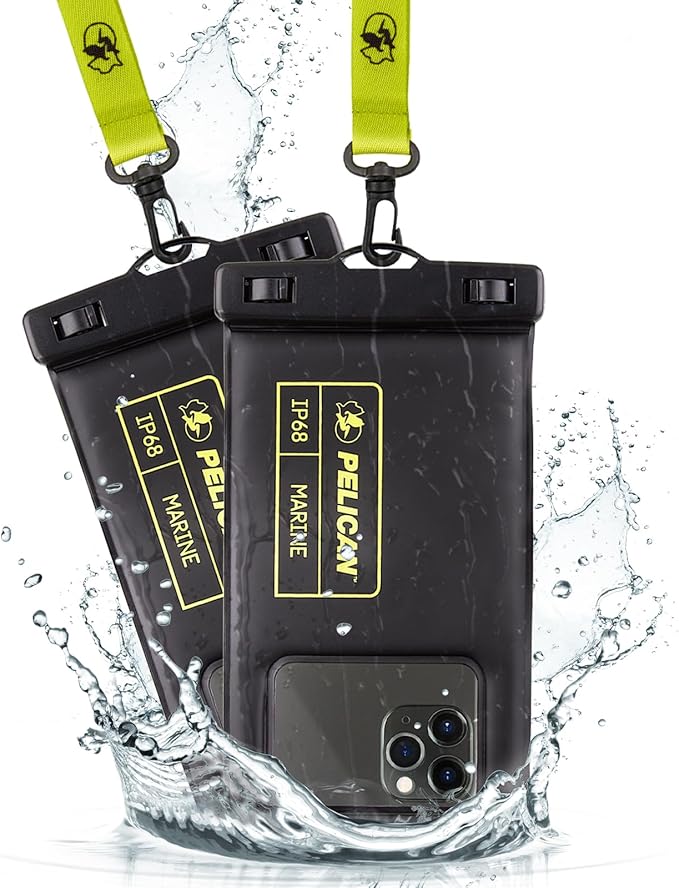
Lets you document organisms in rain, near water, or during morning dew without worry. The lanyard keeps your phone instantly accessible—critical when a bird lands for three seconds or an insect won't stay still. I've missed too many shots fumbling in pockets

Reveals the hidden world invisible to naked eyes—flower reproductive structures that determine species, beetle leg characteristics, moss sporophytes. Essential for serious plant and invertebrate observation. Works in conjunction with your phone camera for better identification photos
As an Amazon Associate I earn from qualifying purchases. Prices may change.
Step-by-Step Guide
Set up your citizen science toolkit
Download iNaturalist and create an account—this platform hosts 140+ million biodiversity observations worldwide. Spend 20 minutes browsing observations from your local area to see what species neighbors have already documented and get a feel for the identification community.
💡 Pro Tips:
- • Don't worry about identifying things yourself yet—focus on learning what clear documentation looks like
- • Notice which species show up repeatedly; these are your area's common residents
Pick your monitoring territory
Choose one specific park, street corridor, or green space you can visit regularly—consistency beats coverage. Scout it once to understand the habitat types: are there flower patches worth checking weekly? Trees that might host nests? Pick a route you can walk in 90 minutes.
💡 Pro Tips:
- • Walking distance from home works best; you'll actually maintain the routine
- • Multiple small locations beat one distant 'perfect' spot
Master observation protocol standards
Learn what makes data research-grade: clear photos showing identifying features, GPS-tagged exact locations, date and time stamps, and habitat context. For plants, capture leaf arrangement, flowers, and bark. For animals, photograph behavior and surroundings. Mark things 'unknown' freely—the community identifies most submissions within 24 hours.
Complete your first documentation session
Spend 90 minutes systematically recording everything you encounter in your chosen location. Photograph from multiple angles, note weather and temperature, document any human disturbances like construction or new trails. Early morning (6-8 AM) catches peak bird activity and avoids harsh lighting. Upload everything, even 'boring' common species—abundance data matters.
💡 Pro Tips:
- • A sudden absence of something is valuable data if you note why (trees cut, dog park opened)
- • Focus on clear photos over quantity; one sharp image beats five blurry attempts
Join active research projects
Search iNaturalist's 'Projects' tab or eBird for studies in your region—pollinator monitoring, phenology tracking, urban wildlife surveys. Contributing to structured projects channels your observations into specific research questions. Establish a weekly routine at the same time to produce longitudinal data patterns that single visits can't reveal.
Track your research impact
Review your contribution stats monthly: species documented, research-grade observations confirmed by the community, identifications you've helped verify for others. Follow research projects using data from your region—papers get published citing observations from everyday locations. Watch for your username in actual study acknowledgments.
💡 Pro Tips:
- • Engage with other observers: ask questions, comment on local sightings, learn the 'why' behind identifications
- • Your naturalist level increases as the community verifies your work—this signals data reliability to researchers
Gear Up for Your Quest
The gear that makes this quest work.
Pull it off

Smartphone clip-on macro lens attachment
Captures identification-quality photos of tiny subjects your phone camera can't focus on—bee face structures, plant reproductive parts, insect wing venation patterns. Makes the difference between 'some small bee' and 'Lasioglossum cressonii confirmed'
+ complete the kit — 3 more

Field guide app subscription (Merlin Bird ID, Seek by iNaturalist, or Picture Insect Pro)
RecommendedProvides instant preliminary identifications in the field, helping you learn faster and make real-time observation decisions. The offline functionality is crucial when you're in parks with weak cell service. Free versions work fine; paid removes ads and adds advanced features
Specialized identification apps with AI-powered image recognition, range maps, and offline access to species databases

Lets you document organisms in rain, near water, or during morning dew without worry. The lanyard keeps your phone instantly accessible—critical when a bird lands for three seconds or an insect won't stay still. I've missed too many shots fumbling in pockets
Waterproof protective case with neck or wrist strap for hands-free carrying and quick camera access
Get on Amazon · $34.70 — Weatherproof phone case with lanyarddetails & deals →
Reveals the hidden world invisible to naked eyes—flower reproductive structures that determine species, beetle leg characteristics, moss sporophytes. Essential for serious plant and invertebrate observation. Works in conjunction with your phone camera for better identification photos
Pocket-sized magnifying loupe used by field biologists for examining small specimens, plant structures, and insect details up close
Get on Amazon · $19.99 — Hand lens (10x or 20x magnification)details & deals →RELATED GEAR GUIDE
Urban Foraging Gear: 8 Beginner Picks to Start Safely
Field-tested picks · Nature & Outdoors
As an Amazon Associate, IRL Sidequests earns from qualifying purchases at no extra cost to you.
Prices and availability are subject to change. The price shown at checkout on Amazon at the time of purchase will apply.
Editor's Picks
Hand-selected quests our team thinks you'll love

Urban Ecosystem Knowledge: Map Your City's Hidden Wildlife
Your neighborhood has more species than you think—time to prove it.

Urban Wildlife & Nature Connection Hub
Your city's wilder than you think—you just need to know where to look.

Urban Biodiversity Mapping & Citizen Science Hub
Your neighborhood harbors more species than you think—and scientists need your eyes on the ground.