
Urban Skills Development Through Real-World Quests
Your city's a training ground—learn to read it, move through it, and own it.
About This Quest
Build practical urban survival and navigation skills through structured real-world challenges. Learn observation, problem-solving, and adaptability in your city.
Stop scrolling survival tips and start practicing them. This quest turns your city into a real-world skills lab where you'll develop observation techniques, navigation without GPS, reading urban patterns, and adaptive problem-solving. You're not cosplaying Bear Grylls—you're learning how to move through your environment with confidence and awareness. The framework is simple: each session targets a specific skill cluster. Session one might focus on mental mapping and landmark identification. You'll walk a 2-mile loop, memorizing key intersections, noting alternate routes, and identifying resources (water fountains, public restrooms, safe spaces). The second session tests your memory—same route, zero phone assistance. You'll notice how much you actually missed the first time. By session five, you're combining skills: find a specific address using only sun position and street grid logic, identify three buildings with public access during emergencies, locate the nearest hospital without asking anyone. These aren't theoretical exercises—they're capabilities that change how you experience urban space. The parking garage on 5th Street? You now know it has roof access. That coffee shop? You've clocked the back exit. Small details compound into situational competence.
Why This Quest Matters
You'll never look at your neighborhood the same way after this. The ability to move through urban space without digital dependency isn't paranoia prep—it's a specific kind of confidence that shows up when your phone dies, when you're helping someone lost, when you need to find the fastest route under pressure. You're training pattern recognition that compounds into situational awareness.
What You'll Experience
- Mental mapping and landmark-based navigation without GPS
- How to orient yourself using sun position and urban grid logic
- Where your neighborhood's emergency resources actually are
- How much spatial detail you miss when you're phone-dependent
- The social dynamics of asking for and receiving help
What You'll Need
Top gear to make this quest great.
Pull it off
Compass with declination adjustment
Teaches real directional awareness beyond GPS dependency—you'll actually understand which way you're facing and why that matters in urban navigation
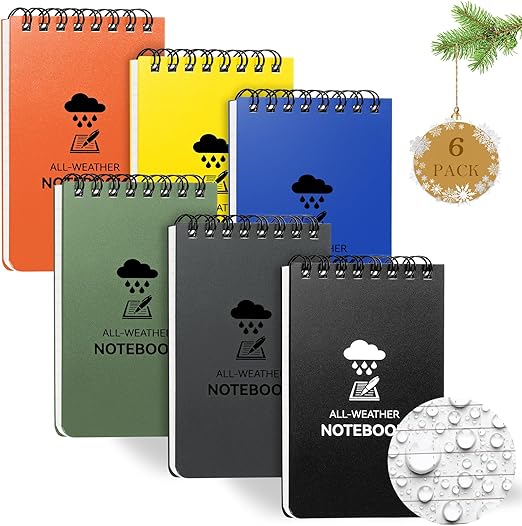
Grid pages make sketch-mapping substantially easier and more accurate—regular notebooks turn to mush in weather, this one doesn't
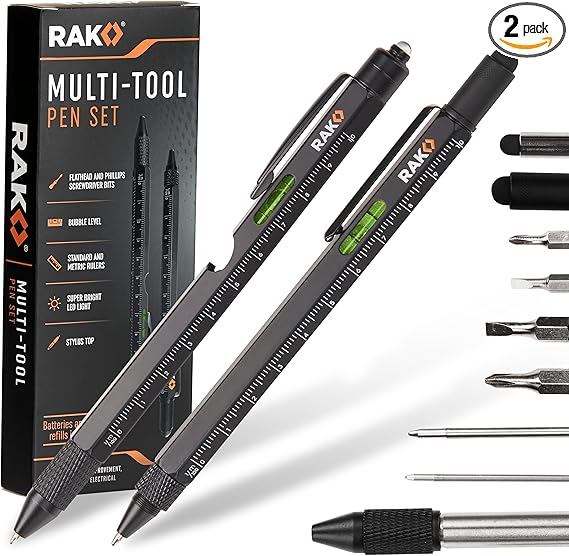
The level helps you understand slope and grade in urban terrain—seemingly flat streets often aren't, which affects navigation and stamina planning
As an Amazon Associate I earn from qualifying purchases. Prices may change.
Step-by-Step Guide
Map your zone on foot
Pick a 1-square-mile area you think you know—residential beats commercial for this. Walk a 2-mile route with your phone in airplane mode, sketching landmarks, street names, and directional markers on paper. Mark every water source, restroom, transit stop, shelter spot, and high-ground viewpoint you find.
💡 Pro Tips:
- • Draw intersections as you reach them, not from memory later
- • Covered bus stops and building overhangs count as shelter—you'll need these in emergencies
Test your memory without backup
Wait 48 hours, then walk the same route with your phone off and map left at home. You'll get turned around—that's the point. Notice which landmarks your brain actually retained and which details you completely missed the first time.
💡 Pro Tips:
- • Getting lost in a familiar area reveals which mental shortcuts you rely on
Navigate by sun and observe patterns
On a clear morning, use sun position to orient north-south while walking a new route in your zone. Make directional choices for 20 minutes before checking accuracy. Then spend 30 minutes at a busy intersection observing traffic patterns and pedestrian flows—predict the next five light changes and crowd movements.
💡 Pro Tips:
- • Morning sun rises east, afternoon sun sets west—use building shadows when the sun's directly overhead
Run emergency routing scenarios
From a central point in your zone, plot three different evacuation routes to the nearest hospital, fire station, and police station using only visual navigation. Time each route. Then practice asking for directions three different ways—urgent, casual, indirect—and note which approach gets the most helpful responses.
Navigate your route after dark
Repeat your original route after sunset with only a small flashlight. Landmarks that anchored you in daylight disappear; new ones emerge. Your spatial perception shifts completely when you can't see a full block ahead.
💡 Pro Tips:
- • Lit storefronts and street signs become your new reference points
Take the final blind drop
Give your phone to a friend and have them drop you at a random point within your training zone. Navigate back to a designated meeting spot using only your acquired skills. Budget 45 minutes. Document everything in a physical field notebook—maps, observations, accuracy rates across all sessions.
Gear Up for Your Quest
The gear that makes this quest work.
Pull it off

Compass with declination adjustment
Teaches real directional awareness beyond GPS dependency—you'll actually understand which way you're facing and why that matters in urban navigation
+ complete the kit — 3 more

Grid pages make sketch-mapping substantially easier and more accurate—regular notebooks turn to mush in weather, this one doesn't
All-weather paper notebook with grid ruling for mapping exercises
Get on Amazon · $11.99 — Waterproof field notebook with grid pagesdetails & deals →
Tactical pen with built-in level
RecommendedThe level helps you understand slope and grade in urban terrain—seemingly flat streets often aren't, which affects navigation and stamina planning
Multi-function writing tool with integrated bubble level and glass breaker tip
Get on Amazon · $19.99 — Tactical pen with built-in leveldetails & deals →
Extends your observation range for landmark identification and route planning—you'll spot street signs and building numbers two blocks away instead of walking to them
Compact roof-prism binoculars for distance observation
Get on Amazon · $33.99 — Lightweight binoculars (8x25 or 10x25)details & deals →RELATED GEAR GUIDE
Gamify Your Life Kit: 6 Picks to Turn Days Into Quests
Field-tested picks · Personal Growth
As an Amazon Associate, IRL Sidequests earns from qualifying purchases at no extra cost to you.
Prices and availability are subject to change. The price shown at checkout on Amazon at the time of purchase will apply.
Editor's Picks
Hand-selected quests our team thinks you'll love

Random Side Quest Generator: Complete Guide to Spontaneous Adventures
Turn decision paralysis into roll-the-dice action.

Desk Reset Rituals for Screen Workers
Your screen blur isn't age—it's ritual deficit.

Build Your Domestic Confidence Toolkit
The difference between panicking when something breaks and calmly handling it yourself.