
Urban Skills & Life RPG Development
Your life is already an RPG—time to track your stats and start leveling up.
About This Quest
Turn your daily life into an RPG by tracking real skills, leveling up through challenges, and building a character sheet that reflects actual abilities you develop on city streets.
Most RPG systems are wasted on fantasy worlds when your actual life has stats worth tracking. This quest transforms how you approach skill development by treating your daily urban existence like a character build. You'll create a personal skill tree, assign experience points to real activities, and watch yourself level up in measurable ways—from navigation and social confidence to technical abilities and physical endurance. The framework works because it makes invisible progress visible. That conversation with a stranger? +15 Charisma XP. Learning to fix your bike chain? Unlocked: Mechanical Aptitude Level 2. Walking home via three different routes this week? Navigation skill increased. The system creates feedback loops that turn mundane tasks into achievement milestones, making you more likely to push slightly outside your comfort zone. This isn't about gamification apps that reward you for drinking water. You're building an honest assessment of capabilities that matter in urban environments—reading subway maps under pressure, knowing which neighborhoods have what resources, talking your way into events, fixing broken things with limited tools. The tracking reveals patterns in how you actually spend your time versus how you think you do, then guides you toward intentional skill development that compounds over months.
Why This Quest Matters
This system makes invisible progress visible by turning your actual urban capabilities into trackable achievements. The feedback loop reveals how you really spend your time versus how you think you do, then guides you toward skill development that compounds over months. That conversation you avoided last week becomes a quest worth taking—and three months later, you'll notice you're someone who talks to strangers without thinking about it.
What You'll Experience
- An honest assessment of which urban skills you actually have versus which you've been avoiding
- How to notice and reward yourself for small growth moments that normally go untracked
- Which capabilities compound fastest when practiced intentionally
- How to create expertise ladders that stack related skills into real competence
- Where your comfort zone really ends and meaningful challenge begins
What You'll Need
Top gear to make this quest great.
Pull it off
Multi-Tool Keychain (Leatherman Style PS)
Enables spontaneous Technical skill XP gains by letting you attempt minor repairs and adjustments throughout the day—unlocks 'fix it yourself' challenges you'd otherwise skip
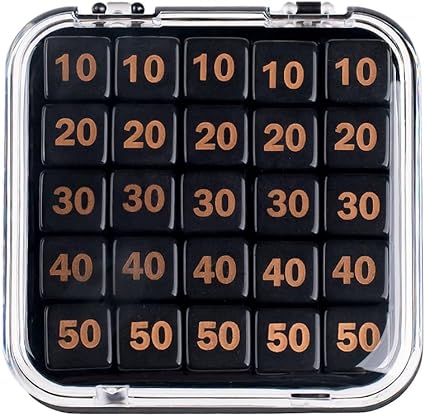
Makes stat tracking more tactile and satisfying than digital logging—rolling to record XP adds a ritual element that reinforces the RPG framework and provides immediate physical feedback for skill gains
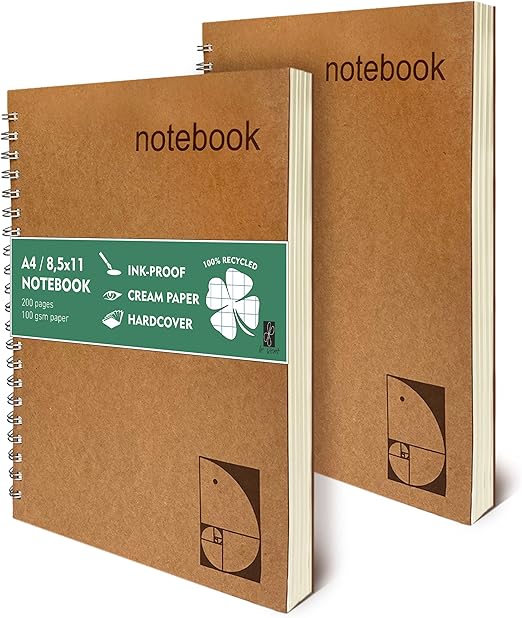
Grid layout enables precise character sheet design and skill tree mapping while surviving pocket carry and weather exposure during urban skill challenges
As an Amazon Associate I earn from qualifying purchases. Prices may change.
Step-by-Step Guide
Build your character sheet
On paper or spreadsheet, list 6-8 attributes that matter in city life: Physical (endurance, strength), Social (persuasion, networking), Technical (repair, digital literacy), Environmental (navigation, resource location), Creative (problem-solving), Economic (negotiation, budgeting). Rate each 1-10 honestly. Under each attribute, list 3-5 specific skills to develop—like 'cold conversation starters' under Social or 'bike maintenance' under Technical.
💡 Pro Tips:
- • Make skills concrete enough that you'll know when you've improved
- • If you can't measure it, you can't level it—'be friendlier' is too vague, 'start conversations with strangers' isn't
Create your XP system
Assign point values based on difficulty: talking to a new person = 5 XP, navigating unfamiliar territory without GPS = 15 XP, fixing something broken for the first time = 50 XP, giving a presentation = 100 XP. Set level thresholds that increase: Level 1-2 needs 100 XP, Level 2-3 needs 200 XP, and so on.
💡 Pro Tips:
- • Boss battles (workshops, complex repairs, major social challenges) should feel legitimately hard and reward accordingly
Track everything for two weeks
Carry a notebook or phone tracker and log every skill use with context: 'Convinced bodega owner to let me use bathroom—Persuasion +10', 'Fixed jammed printer—Mechanical +15', 'Found shortcut through construction—Navigation +10'. The act of noticing what you do creates immediate awareness of your patterns.
💡 Pro Tips:
- • Log within an hour or you'll forget the details that make tracking meaningful
- • Award yourself points generously at first—the goal is momentum, not perfect scoring
Design quests targeting weak stats
After two weeks, identify attributes with barely any activity—that's where your comfort zone ends. Create specific weekly challenges: repair three broken things before buying replacements (Technical), have substantive conversations with five strangers (Social), create one thing from scratch (Creative). Make them uncomfortable but achievable.
Stack compound skills through quest chains
Link related challenges into expertise ladders. For bike repair: fix flat tires → master chain maintenance → attempt brake adjustment → full overhaul. For social skills: smile at strangers → exchange pleasantries → short conversations → deep discussions → facilitate group talks. Each builds on previous XP and creates visible progression.
💡 Pro Tips:
- • Log 'equipment unlocks' when you acquire enabling tools—repair kit, soldering iron—and 'discovered locations' like community workshops or tool libraries
Review and respec quarterly
Every three months, reassess your character sheet. Update attribute ratings, retire mastered skills, add new challenges as old ones become routine. Things that felt hard in January should feel standard by April, making room for harder challenges. Define what each level milestone means: 'Navigation Level 3: Can guide friends anywhere without maps, know which streets connect, remember landmarks.'
💡 Pro Tips:
- • Pride comes from defining tangible capabilities—write down what you can now do that you couldn't three months ago
Gear Up for Your Quest
The gear that makes this quest work.
Pull it off

Multi-Tool Keychain (Leatherman Style PS)
Enables spontaneous Technical skill XP gains by letting you attempt minor repairs and adjustments throughout the day—unlocks 'fix it yourself' challenges you'd otherwise skip
+ complete the kit — 3 more

Habit Tracking Dice Set
RecommendedMakes stat tracking more tactile and satisfying than digital logging—rolling to record XP adds a ritual element that reinforces the RPG framework and provides immediate physical feedback for skill gains
Physical dice designed for tracking habits and progress with numbered faces for logging daily activities and skill development
Get on Amazon · $16.99 — Habit Tracking Dice Setdetails & deals →
Waterproof Field Notebook with Grid Paper
RecommendedGrid layout enables precise character sheet design and skill tree mapping while surviving pocket carry and weather exposure during urban skill challenges
Durable notebook with grid paper for drawing skill trees and attribute matrices, withstands urban weather conditions
Get on Amazon · $24.98 — Waterproof Field Notebook with Grid Paperdetails & deals →
Habit RPG/Habitica Premium (App)
OptionalAutomates XP calculations and provides visual progression feedback with avatar customization—backup system for when analog tracking isn't practical
Digital RPG framework that syncs across devices for tracking real-life tasks as quests with character leveling and equipment systems
RELATED GEAR GUIDE
Gamify Your Life Kit: 6 Picks to Turn Days Into Quests
Field-tested picks · Personal Growth
As an Amazon Associate, IRL Sidequests earns from qualifying purchases at no extra cost to you.
Prices and availability are subject to change. The price shown at checkout on Amazon at the time of purchase will apply.
Editor's Picks
Hand-selected quests our team thinks you'll love

Random Side Quest Generator: Complete Guide to Spontaneous Adventures
Turn decision paralysis into roll-the-dice action.

Desk Reset Rituals for Screen Workers
Your screen blur isn't age—it's ritual deficit.

Build Your Domestic Confidence Toolkit
The difference between panicking when something breaks and calmly handling it yourself.